Scholars & Intellectuals Education
From historians and sociologists to teachers, curriculum developers, and educational reformers, Afro-Latino scholars have played a vital role in shaping knowledge, culture, and society across the Americas. Figures like Eugenio María de Hostos, a pioneering educator and philosopher, and Alcina Luben, a leader in inclusive pedagogy, have advanced ideas of equity, cultural understanding, and social justice. Their work not only bridges African and Latin American traditions, but also preserves and highlights the histories, languages, and experiences of Afro-Latino communities.
-
![Arturo Schomburg]()
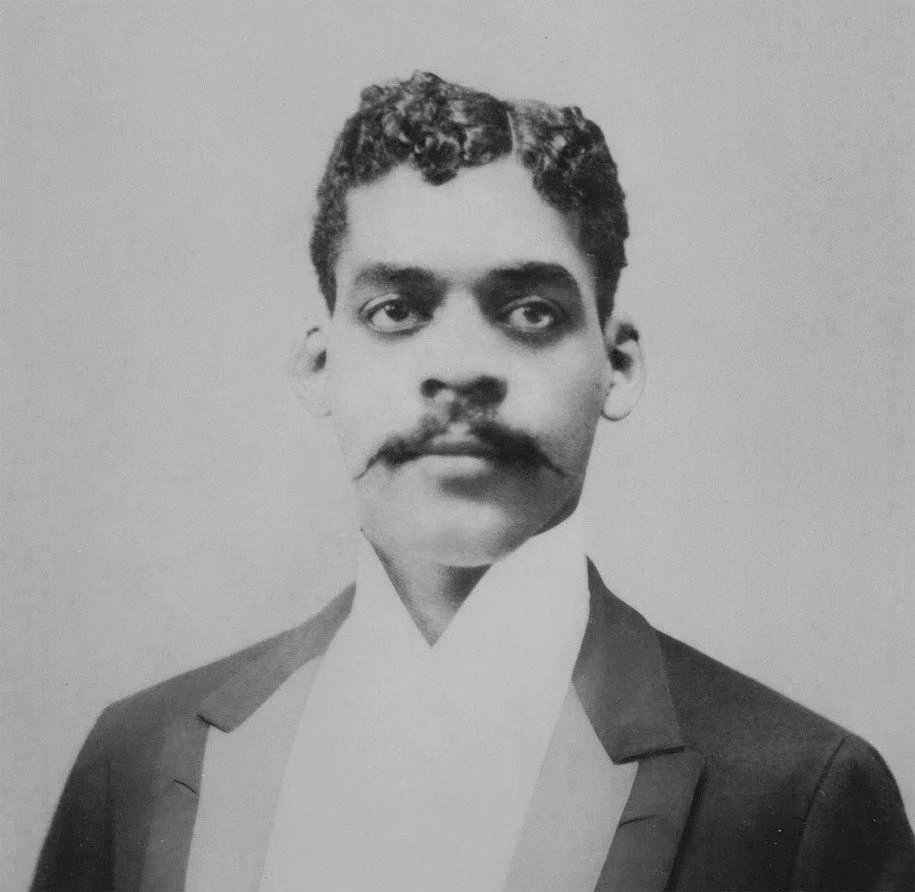
Arturo Schomburg
Puerto Rican historian, writer, and activist of Afro-Caribbean descent who played a crucial role in documenting and preserving Black history. Schomburg’s vast personal collection of rare manuscripts, books, and historical documents became the foundation for what is now the Schomburg Center for Research in Black Culture at the New York Public Library.
-
![Dr. Miriam Jiménez Román]()
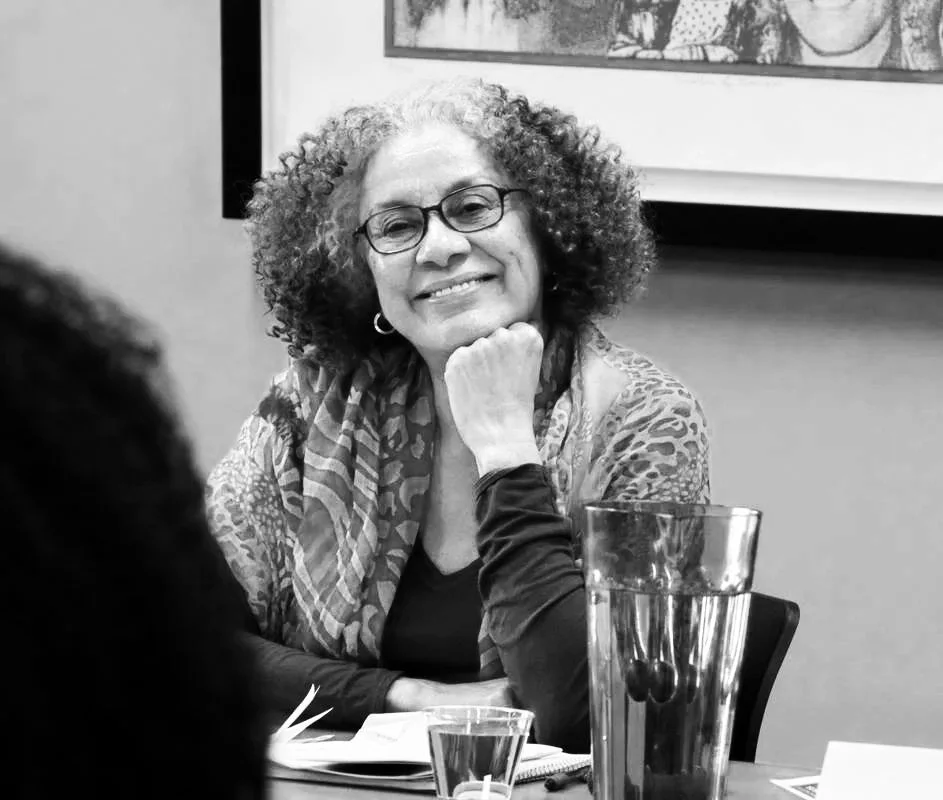
Dr. Miriam Jiménez Román
Professor, editor, archivist, curator, social theorist, author, and activist was born on June 11, 1951 in the coastal city of Aguadilla, Puerto Rico to Arcelia Román Ruiz (1931-2009) of Vega Baja and Afro-Puerto Rican Baldomero Jiménez Font (1928-1999) of Piedras Blancas. The family briefly lived in San Sebastián, near the historic town of Lares, before migrating in 1952 to East Harlem where her sisters Carmen, Evelyn and Awilda were born.
-
![Dr. Lorgia García Peña]()
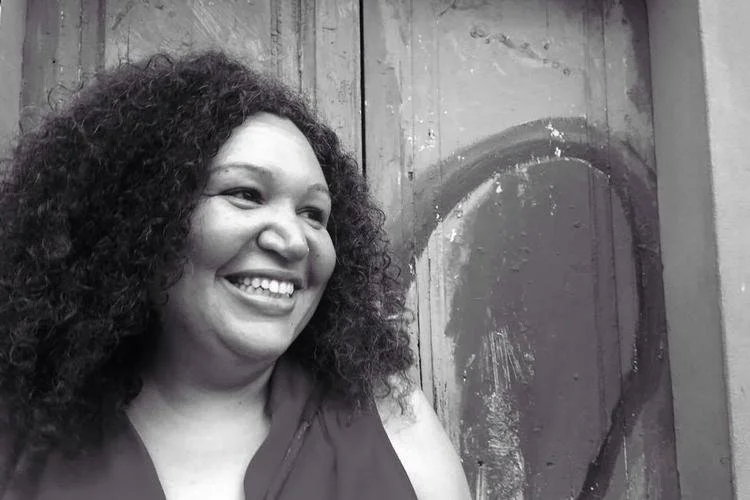
Dr. Lorgia García Peña
Dominican scholar; diaspora, race, and Black Latinidad (Tufts).Professor of Latinx Studies at the Effron Center for the Study of America and the Department of African American Studies at Princeton University, the co-founder of Freedom University Georgia, and the author of three books: Translating Blackness (2022), Community as Rebellion (2022) and The Borders of Dominicanidad (Duke 2016).
-
![Nancy López]()
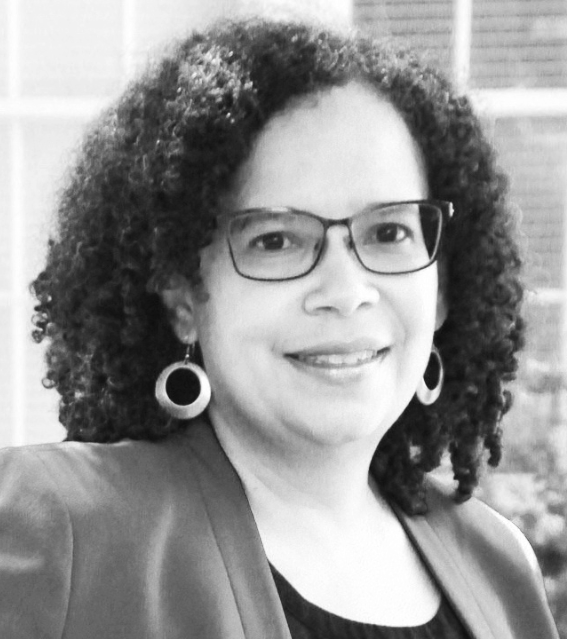
Nancy López
Professor of sociology at the University of New Mexico. Dr. López co-founded and directed the Institute for the Study of "Race" & Social Justice (race.unm.edu) from 2009 to 2024. Dr. López's scholarship, teaching and service is guided by the insights of intersectionality --the importance of examining race, gender, class, ethnicity together--for interrogating inequalities across a variety of social outcomes, including education, health, employment, housing, and developing contextualized solutions that advance social justice.
Literature
Afro-Latinos have profoundly shaped literature across the Americas, bringing voices of diaspora, resistance, and cultural memory to poetry, novels, essays, and plays. Writers like Nancy Morejón, Junot Díaz, and Luis Palés Matos have explored themes of identity, race, and belonging, blending African and Latin American traditions to create works that resonate across time and borders.
-
![Nancy Morejón]()
Nancy Morejón
(1944) is an acclaimed Afro-Cuban poet, essayist, and translator whose work explores themes of race, identity, feminism, and the African diaspora in Cuba. Born in Havana, she studied French literature at the University of Havana and became a leading voice in post-revolutionary Cuban literature. Her poetry, deeply rooted in Afro-Cuban history and culture, often highlights the struggles and resilience of Black women.
-
![Piri Thomas]()
Piri Thomas
American writer and poet of Puerto Rican-Cuban descent. In 1967, Thomas received funds from the Rabinowitz Foundation to write and publish his best-selling autobiography Down These Mean Streets. The book describes his struggle for survival as a Puerto Rican/Cuban born and raised in the barrios of New York.
-
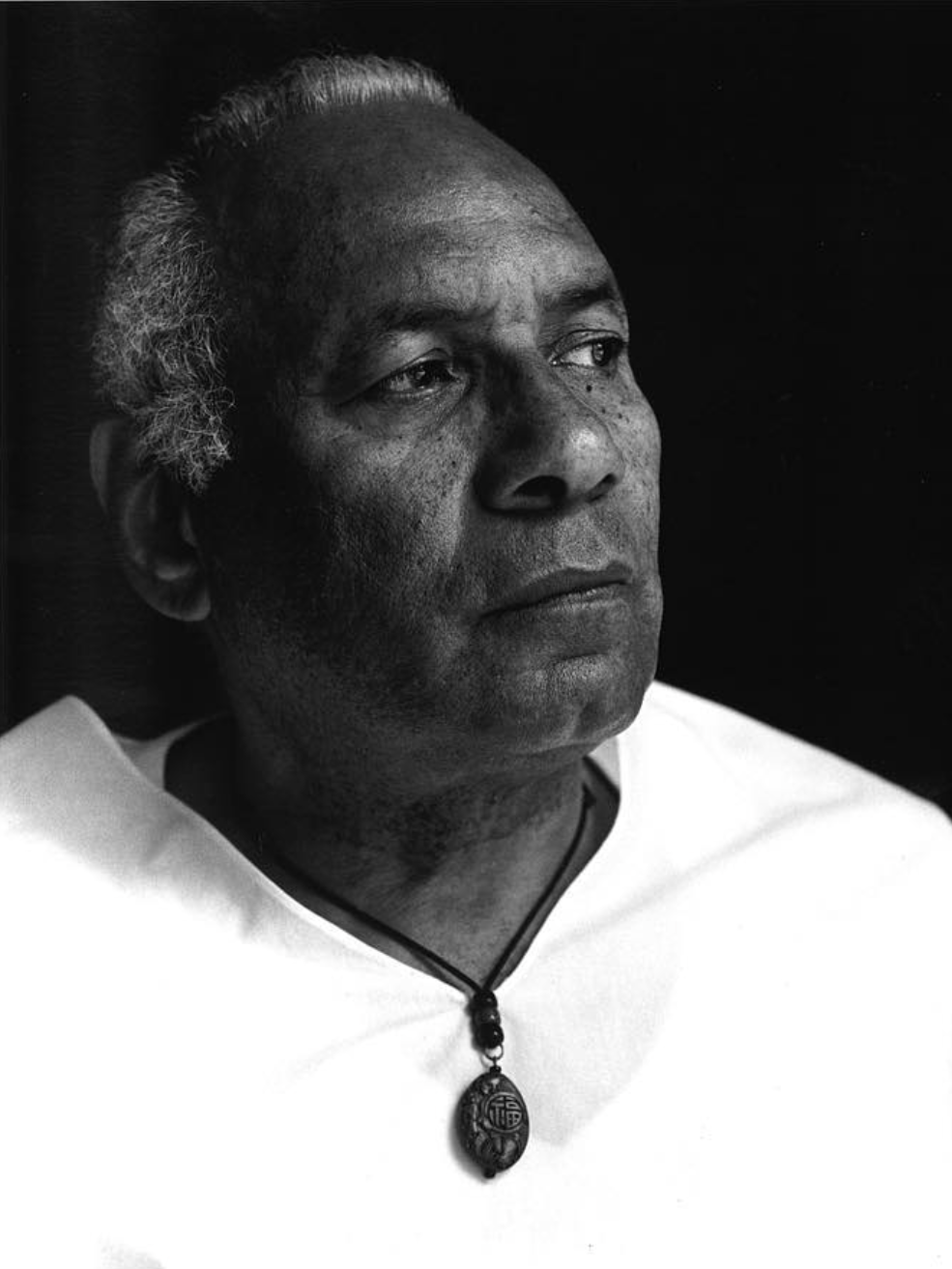
![Black and white photograph of a man with short curly hair, mustache, wearing a suit, dress shirt, and tie.]()
Nicomedes Santa Cruz
(1925–1992) was a Peruvian poet, journalist, and folklorist who dedicated his life to preserving and promoting Afro-Peruvian culture. Born in Lima to a family of African descent, he became a leading figure in the revival of Afro-Peruvian poetry and music in the mid-20th century. His work, deeply rooted in the oral traditions of décima poetry, addressed themes of racial identity, social justice, and the historical contributions of Afro-Peruvians.


Visual Artists
Afro-Latino visual artists have shaped the Americas through painting, sculpture, printmaking, photography, and multimedia art, blending African and Latin American cultural traditions. Artists like Cauê Alves, José Bedia, and Miriam Cabral explore identity, diaspora, and social history, creating works that challenge perceptions while celebrating Afro-Latino heritage and resilience.
-
![Julia Lopez]()
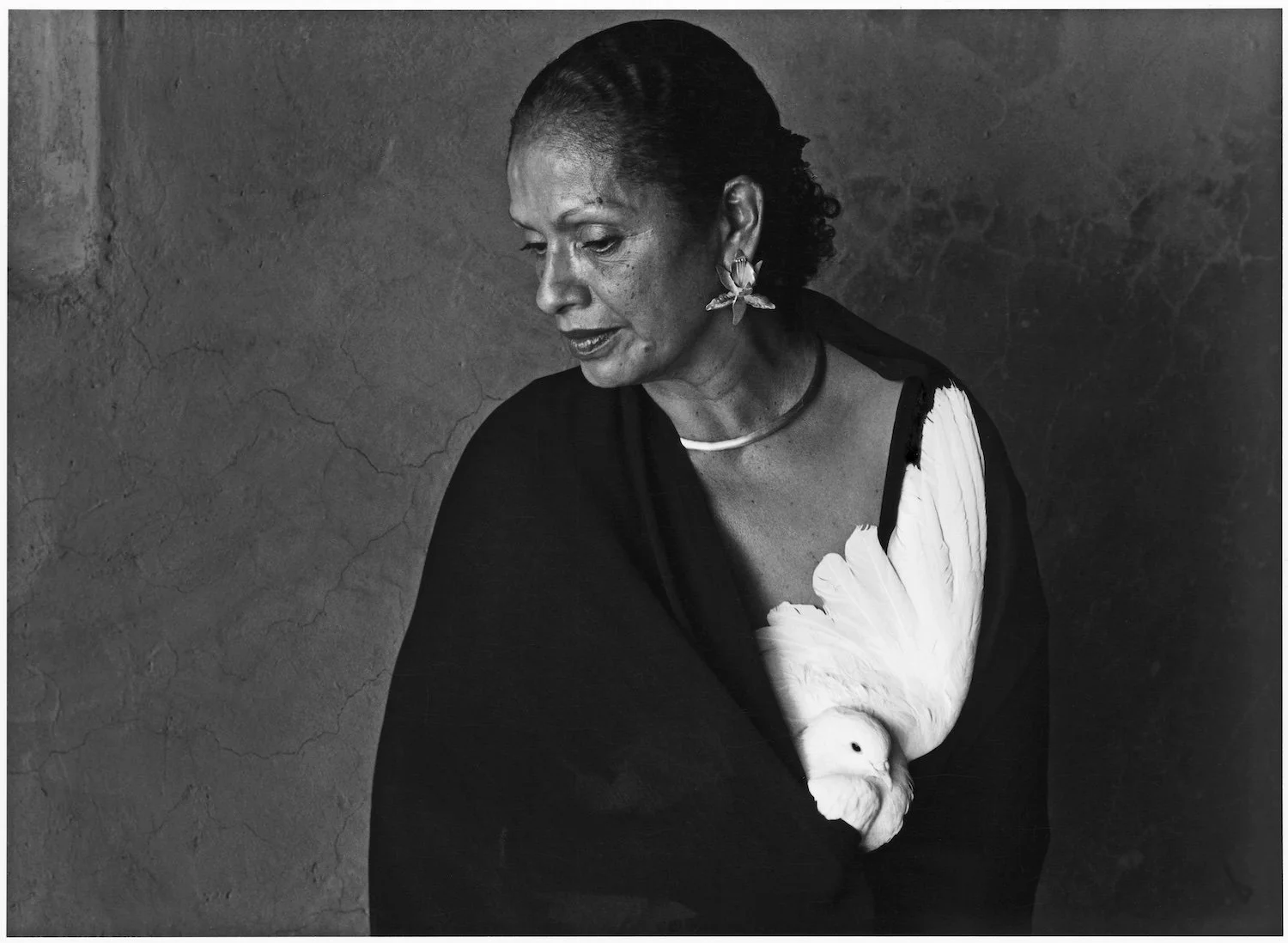
Julia Lopez
Afro-Mexican artist who has made significant contributions to the art world, particularly in the representation of Afro-Mexican identity and culture. Born in the Costa Chica region of Guerrero, Mexico, López’s work explores the complex and rich heritage of Afro-Mexican communities through various mediums, including painting, sculpture, and installations. Her art reflects her Afro-Mexican roots, often addressing themes of race, identity, and the underrepresentation of Afro-Mexican people in mainstream Mexican art and culture.
-
![Jean-Michel Basquiat]()
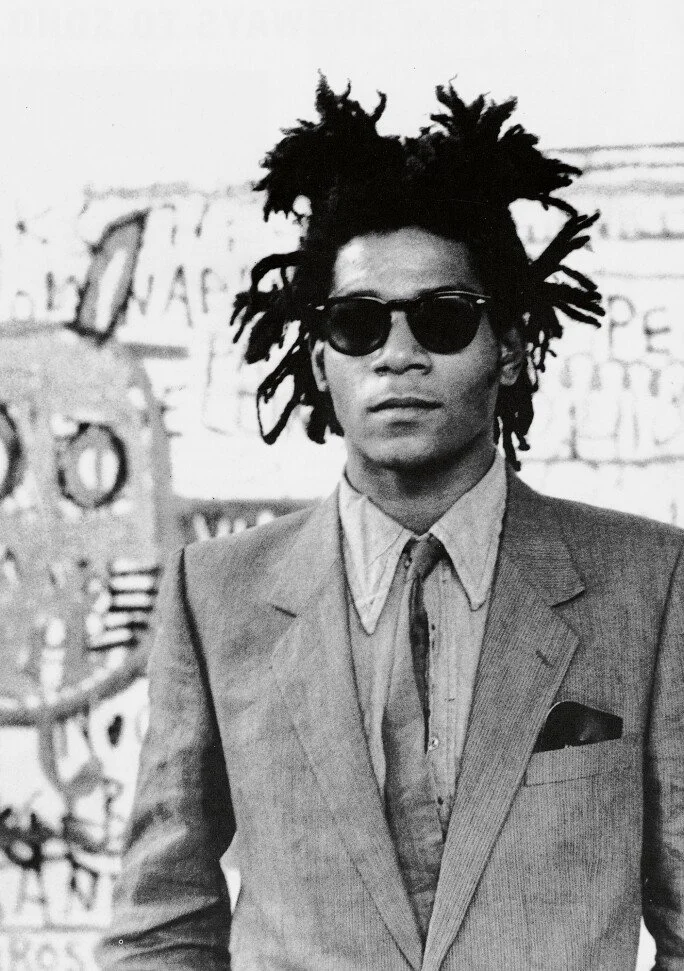
Jean-Michel Basquiat
(1960–1988) was an influential Afro-Puerto Rican and Haitian artist known for his bold, expressive style that merged graffiti, street art, and abstract expressionism. His work often explored themes of race, identity, and social issues, incorporating elements of his Afro-Puerto Rican heritage. Basquiat's raw, energetic paintings, such as Untitled and Hollywood Africans, made a lasting impact on the art world.
-
![Victoria Santa Cruz]()
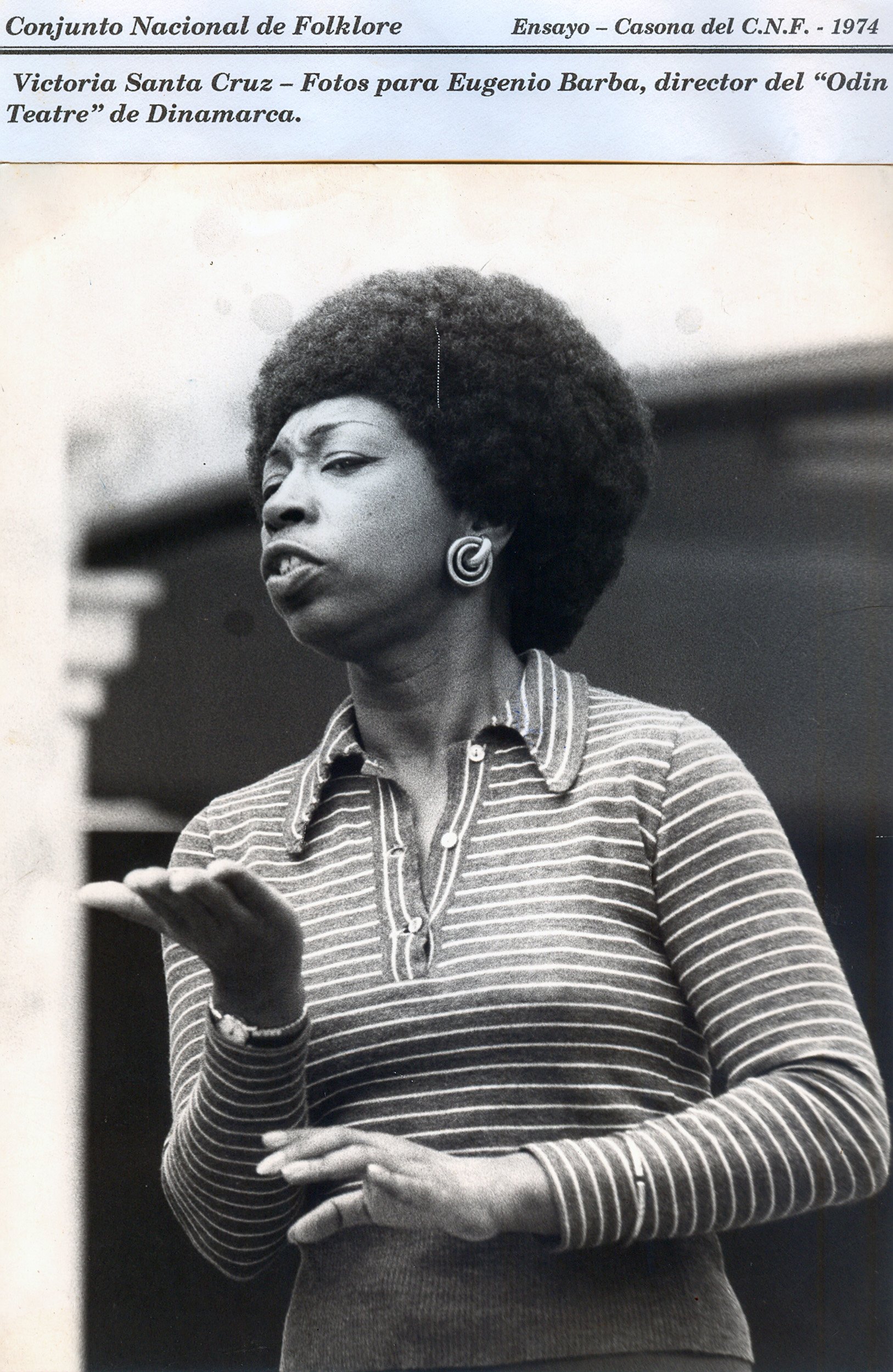
Victoria Santa Cruz
Afro-Peruvian choreographer, singer, playwright, and cultural activist whose work celebrated African heritage in Peru. She co-founded the Peruvian National Folklore Ensemble and used dance, theater, and music to explore Afro-Peruvian identity, oral traditions, and social justice.
-
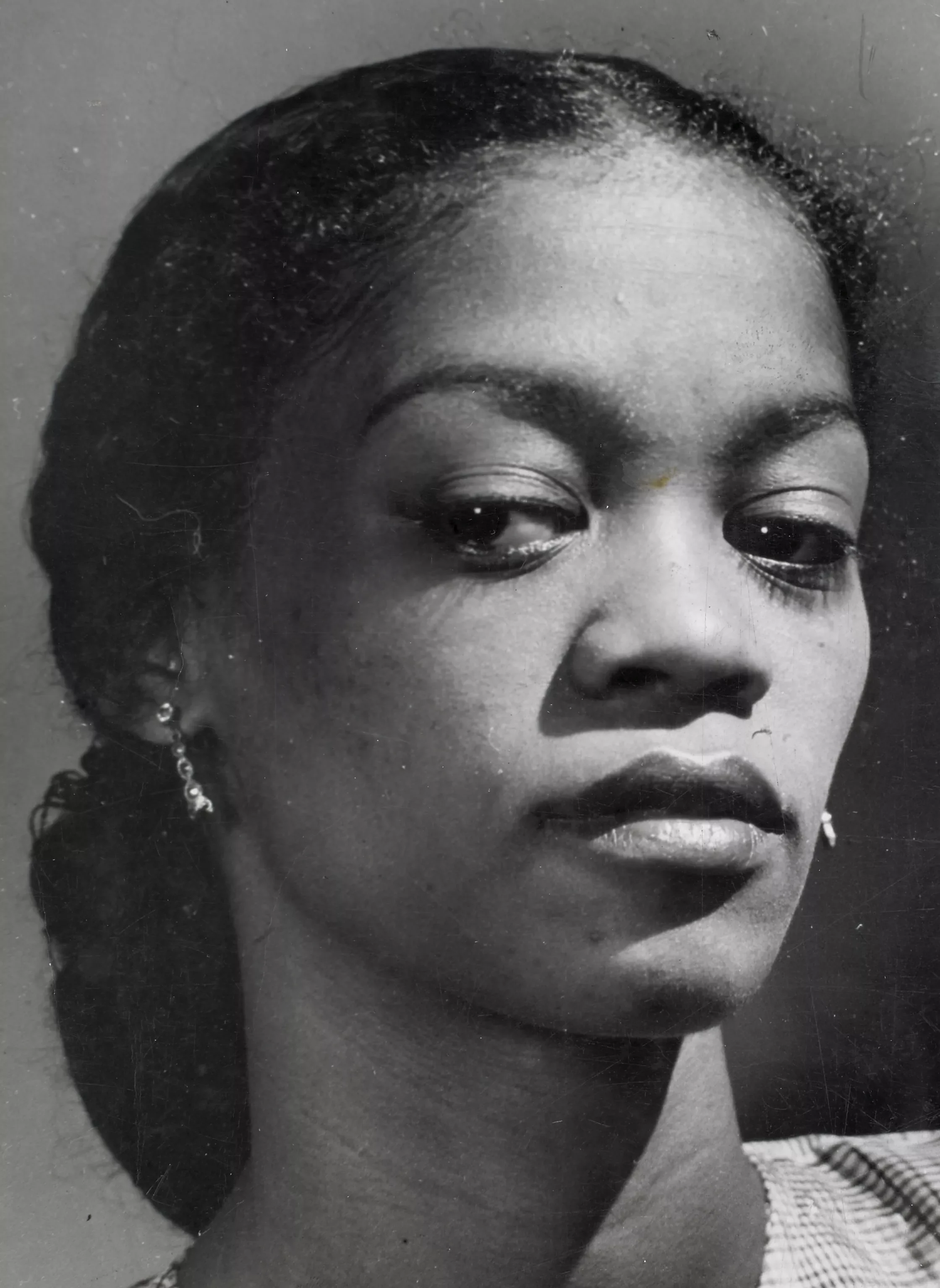
![Ruth de Souza]()
Ruth de Souza
Afro-Brazilian actress and theater pioneer, widely recognized as one of the first Black women to gain prominence in Brazilian performing arts. She broke racial barriers on stage, television, and film, becoming a symbol of representation for Afro-Brazilian artists. Beyond her performances, de Souza’s career inspired generations of actors and contributed to the recognition and inclusion of Black talent in Brazil’s cultural landscape.
Performance
Afro-Latinos have profoundly shaped literature across the Americas, bringing voices of diaspora, resistance, and cultural memory to poetry, novels, essays, and plays. Writers like Nancy Morejón, Junot Díaz, and Luis Palés Matos have explored themes of identity, race, and belonging, blending African and Latin American traditions to create works that resonate across time and borders.
-
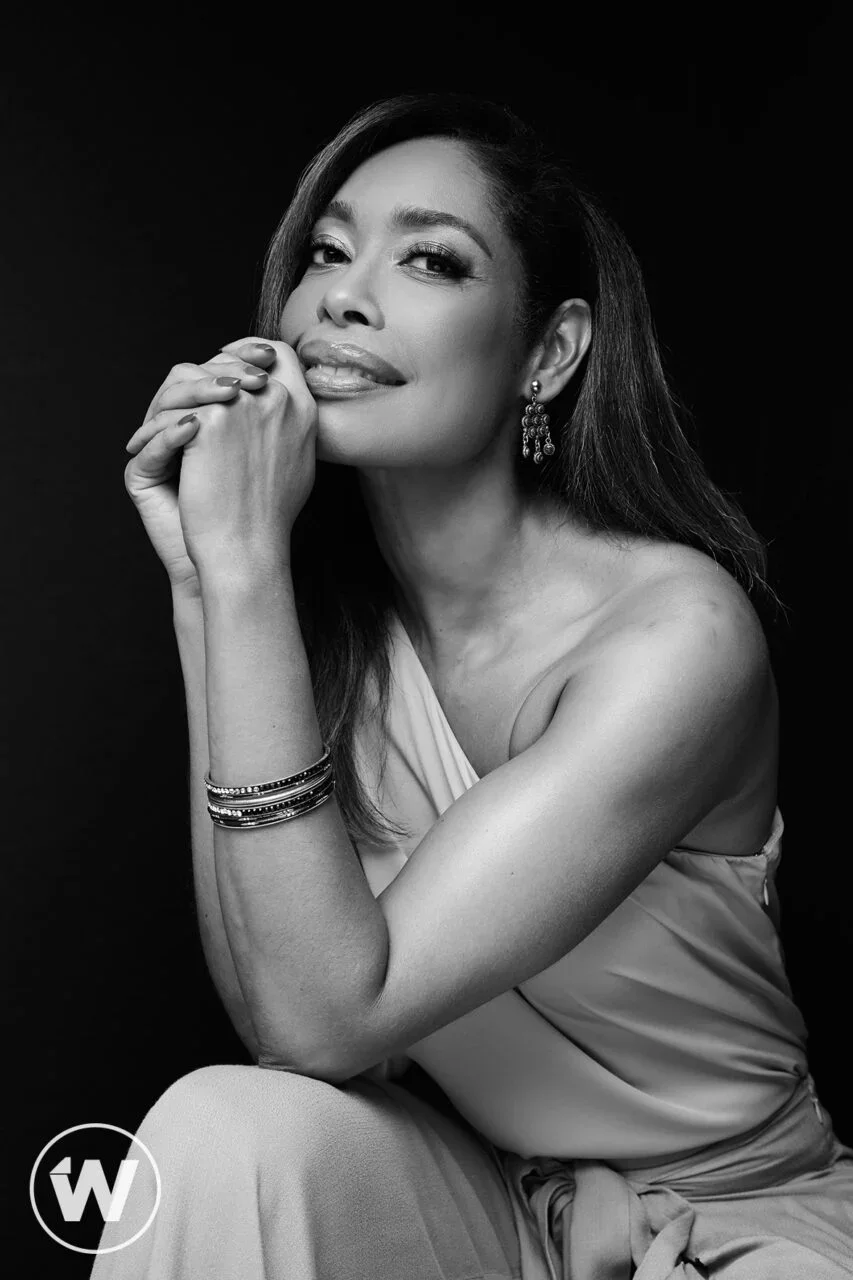
![Gina Torres]()
Gina Torres
Afro-Cuban actress known for her commanding presence on television and film. She has starred in iconic roles in series such as Firefly and Suits, earning recognition for her talent, versatility, and strength in portraying complex, empowered characters. Beyond acting, Torres is celebrated as a role model for Afro-Latina representation in Hollywood.
-
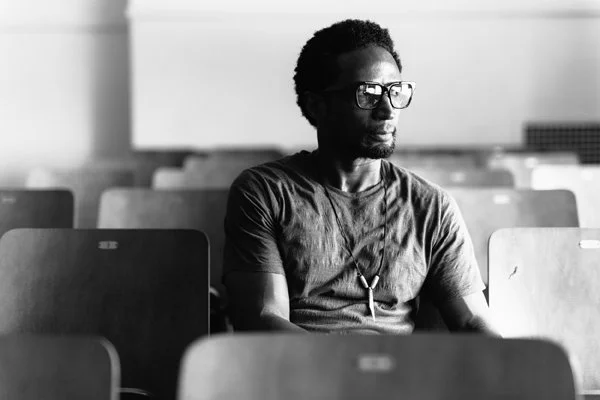
![Elvis Nolasco]()
Elvis Nolasco
Dominican‑American actor, producer, and director born and raised in New York City. Known for critically acclaimed roles in the ABC series American Crime and MGM+’s Godfather of Harlem, Nolasco has built a versatile career in film and television, working with directors like Spike Lee and starring in both mainstream and bilingual projects. Beyond acting, he has written, directed, and produced award‑winning short films such as Time 2 Surrender and Ro & the Stardust. Through his work, Nolasco champions greater visibility and representation of Afro‑Latino stories in Hollywood.
-
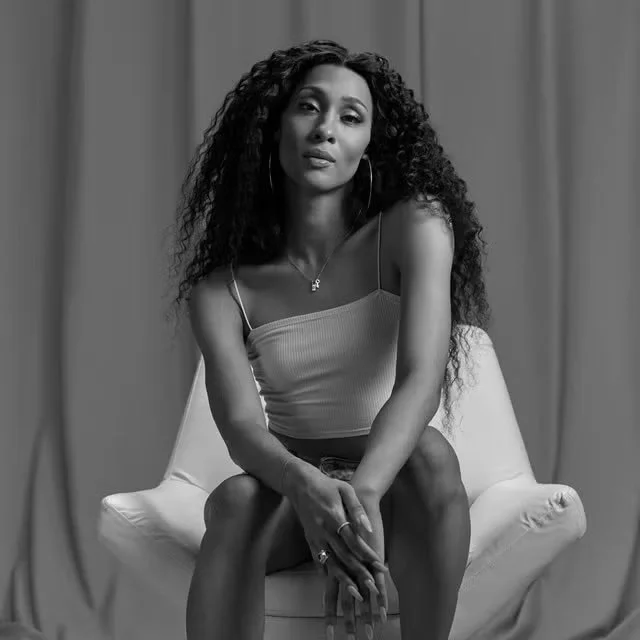
![MJ Rodriguez]()
MJ Rodriguez
MJ Rodriguez is a groundbreaking Afro-Latina and transgender actress and singer, best known for her role on Pose, which brought the ballroom culture of New York to global audiences. She has become a powerful advocate for LGBTQ+ visibility, representation, and equity in the arts, earning critical acclaim for her performances and using her platform to amplify the voices of marginalized communities.
-
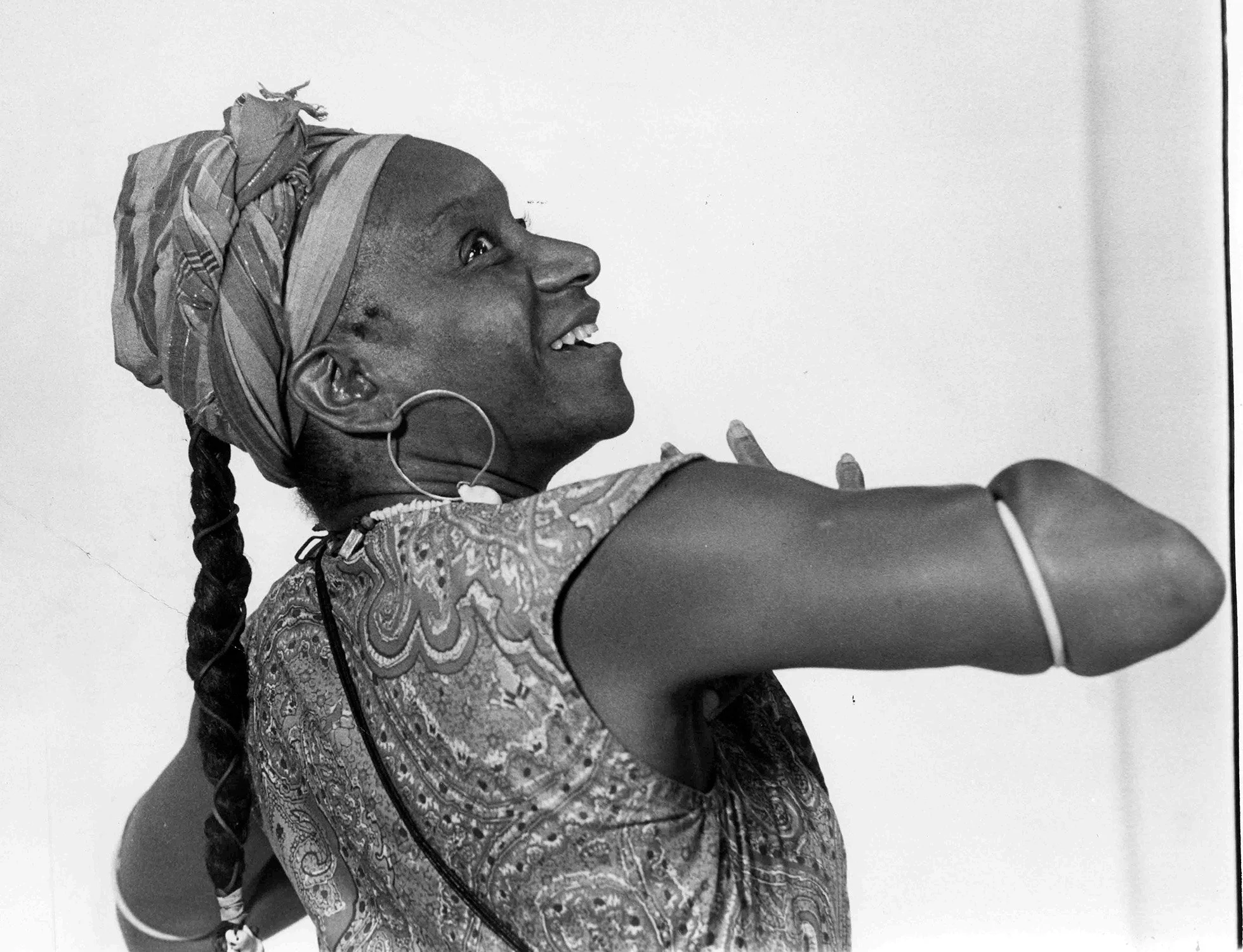
![Sylvia del Villard]()
Sylvia del Villard
Afro‑Puerto Rican actress, dancer, choreographer, and cultural activist who championed Black identity and heritage through the performing arts. Born in Santurce, Puerto Rico, she studied sociology, anthropology, and dance before using theater, music, and choreography to celebrate African and Afro‑Puerto Rican traditions. Del Villard founded the Afro‑Boricua El Coquí Theater and later the Luis Palés Matos Theater in San Juan, and she led the Soninke Company in New York, bringing Afro‑Boricua performance to international audiences.
Music
Afro-Latinos have made groundbreaking contributions to science, medicine, and public health across the Americas. From pioneering doctors and biomedical researchers to environmental scientists and public health leaders, these individuals have advanced knowledge while challenging racial and social barriers. Figures such as Eugenio María de Hostos in education and scientific thought, and Patricia Bath in medical innovation, highlight the impact of Afro-Latinx expertise.
-
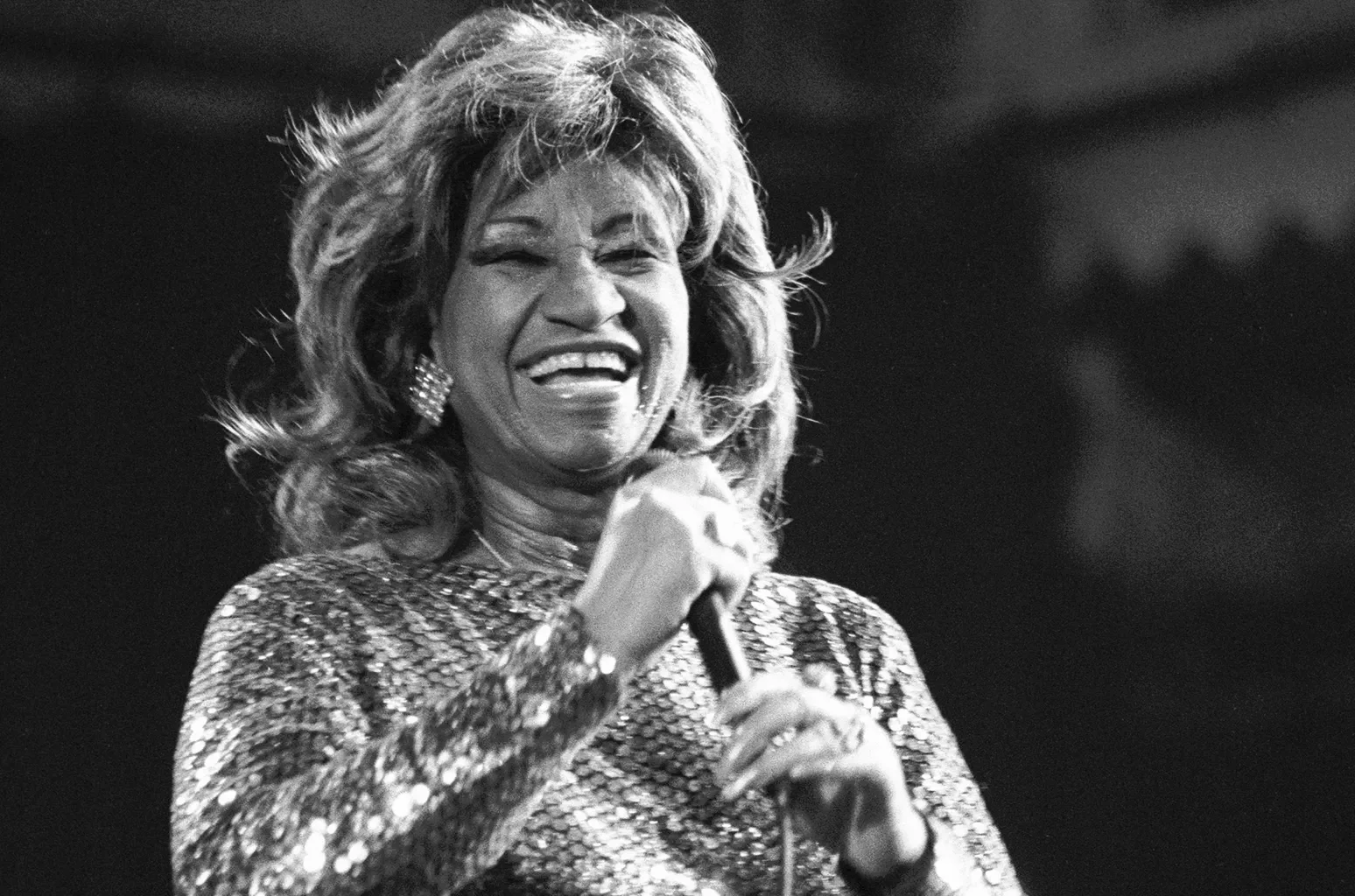
![Celia Cruz]()
Celia Cruz
Born in Havana, Cuba, Celia Cruz became the “Queen of Salsa,” rising to fame in the 1950s with La Sonora Matancera. After leaving Cuba following the Revolution, she became an international ambassador of Latin music. Her powerful voice, energetic performances, and enduring influence made her a beloved figure across generations worldwide.
-
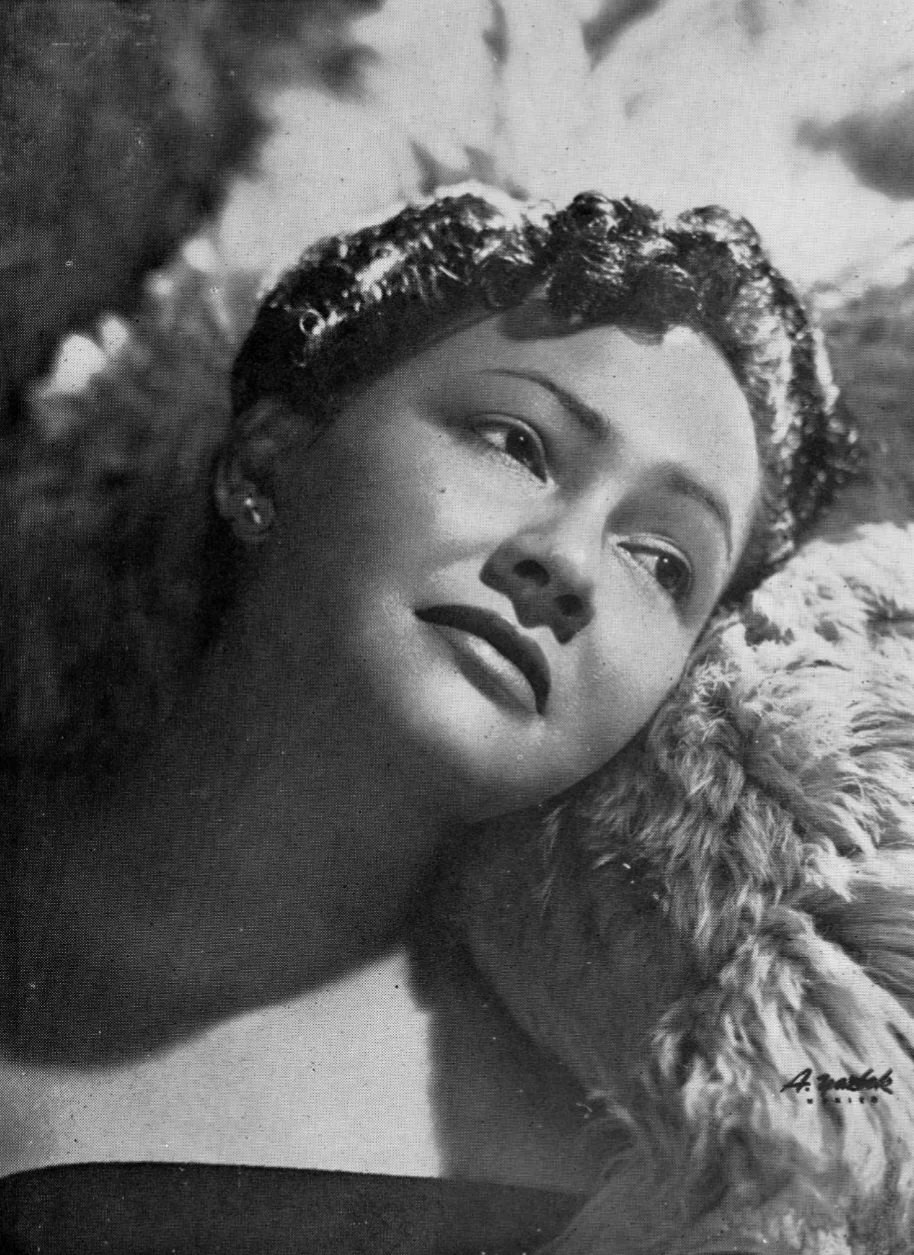
![Toña La Negra]()
Toña La Negra
Born María Antonia del Carmen Peregrino Álvarez in Veracruz, Mexico, Tona La Negra was a celebrated Afro-Mexican singer renowned for her mastery of bolero and son. Her deep, emotive voice reflected the African and Caribbean influences of her hometown. She remains a vital figure in Mexican music history, inspiring generations of performers with her artistry.
-
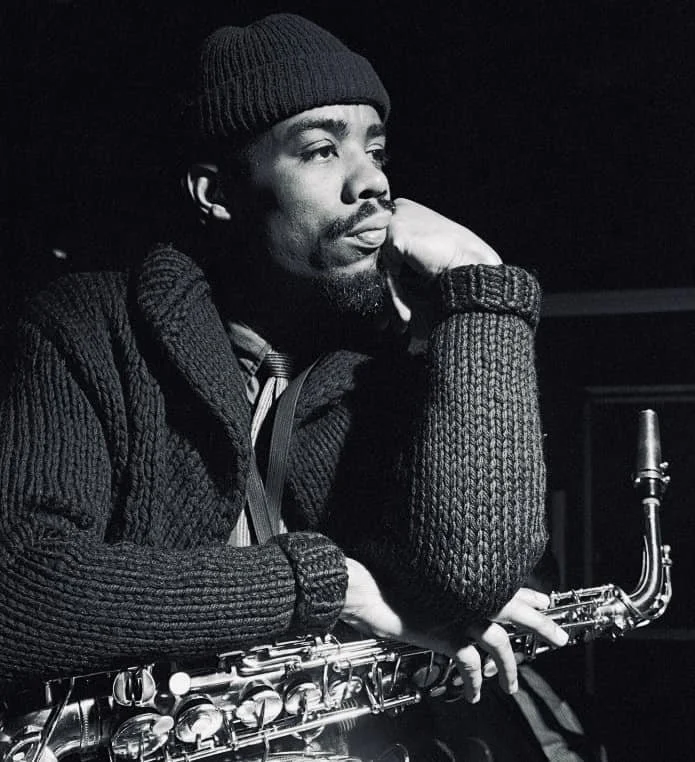
![Eric Dolphy Jr]()
Eric Dolphy Jr
Born to Afro-Panamanian parents, Eric Dolphy (1928–1964) was a groundbreaking jazz musician on alto saxophone, bass clarinet, and flute. Known for daring improvisations and harmonic innovation, he collaborated with Charles Mingus, John Coltrane, and Ornette Coleman. Dolphy’s fearless creativity left a profound impact on modern jazz despite his brief career.
-
![Oscar D'León]()
Oscar D'León
Afro-Venezuelan musician Oscar D’León is celebrated for his powerful voice and dynamic performances that helped shape modern salsa. Known for hits like “Que Manera de Quererte” and “Llorarás,” he blended Afro-Caribbean rhythms with contemporary Latin sounds. D’León’s energy and innovation made him one of the most influential figures in Latin music worldwide.
-
![El General]()
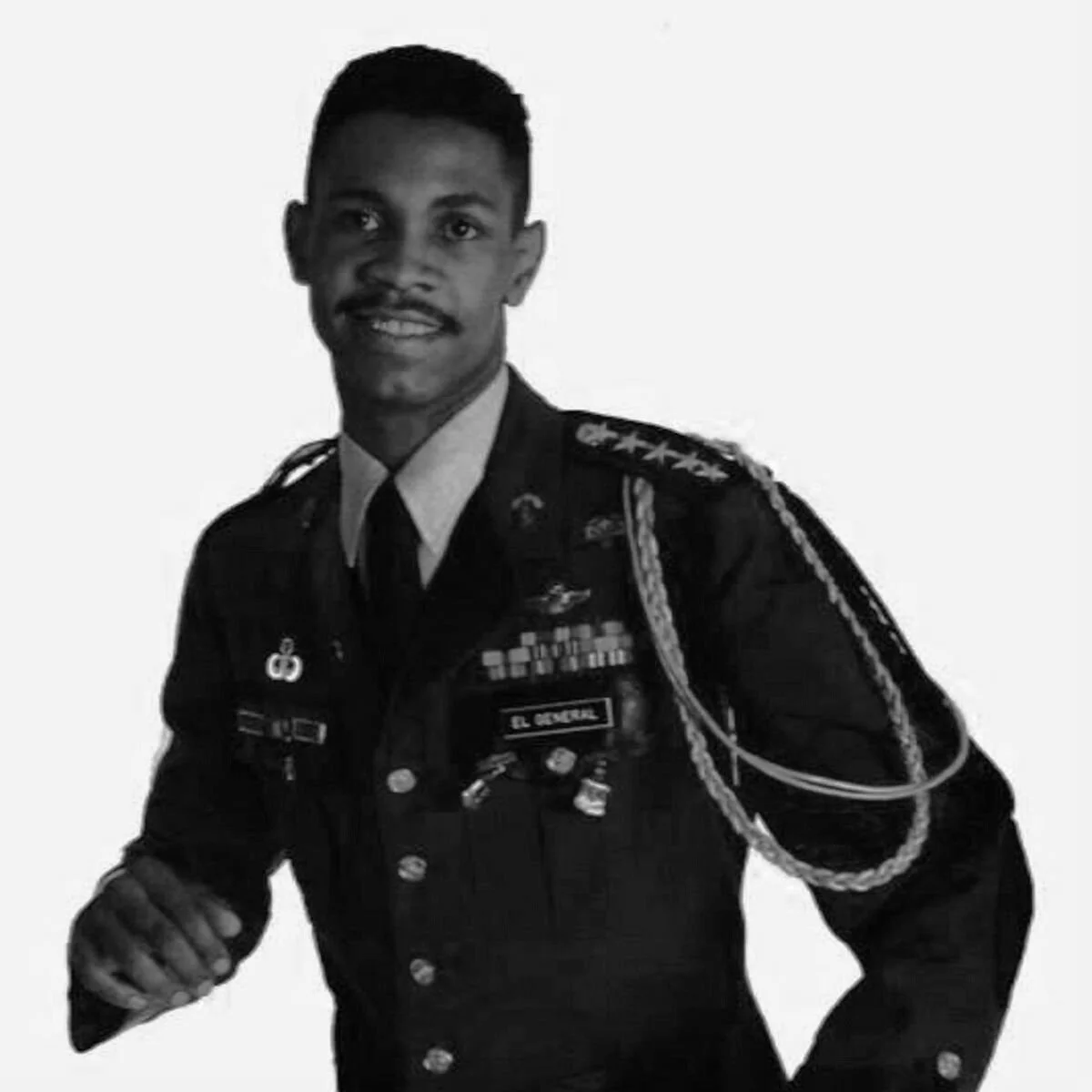
El General
Born Edgar Ríos, El General is an Afro-Panamanian musician and a pioneer of reggaeton. In the 1990s, his fusion of reggae, dancehall, and Latin rhythms shaped the genre, with hits like “Te Ves Buena” and “Muevelo.” His catchy rhythms and socially conscious lyrics brought Latin urban music to global audiences, leaving a lasting mark on reggaeton and Latin music culture.
-
![Tego Calderón]()
Tego Calderón
Afro-Puerto Rican musician Tego Calderón is a pioneering figure in reggaeton and Latin hip-hop. Known for blending Latin rhythms with urban music, his songs often address social and racial issues while celebrating Afro-Latino identity. Calderón’s distinctive style and powerful lyrics earned him international recognition and a lasting influence on the Latin music scene.
-
![Mellow Man Ace]()
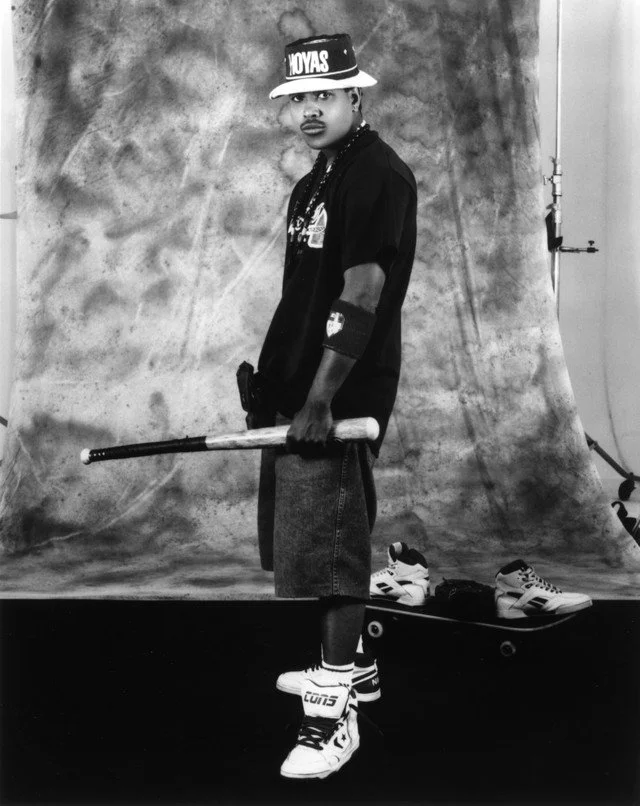
Mellow Man Ace
Born Ulpio R. Gómez in Havana, Cuba, Mellow Man Ace is an Afro-Cuban-American rapper recognized as a pioneer of Latin hip-hop. Moving to Los Angeles as a child, he gained fame in the 1980s with Cypress Hill before launching a solo career. His bilingual rap and Latin-infused style opened doors for future generations of Latin artists in hip-hop.


Sports
From Roberto Clemente’s humanitarian legacy to boxing legend Félix Trinidad and football icon Pelé, Afro-Latino athletes have shaped global sports through excellence and cultural impact. In baseball, Manny Mota stands as a trailblazer who mentored generations of Latino players, while from Guatemala , Teodoro Palacios Flores broke barriers as an Olympic high jumper and symbol of Afro-Guatemalan pride. Together, these figures embody histories of migration, resilience, and diasporic identity across the Americas.
-
![Roberto Clemente]()
Roberto Clemente
Afro-Puerto Rican baseball legend Roberto Clemente is remembered as one of MLB’s greatest right fielders and a humanitarian. Born in Carolina, Puerto Rico, he overcame racial and language barriers to excel on the field and advocate for social justice. Clemente’s achievements on and off the diamond made him a trailblazer for Latino and Black athletes worldwide.
-
![Teodoro Palacios Flores]()
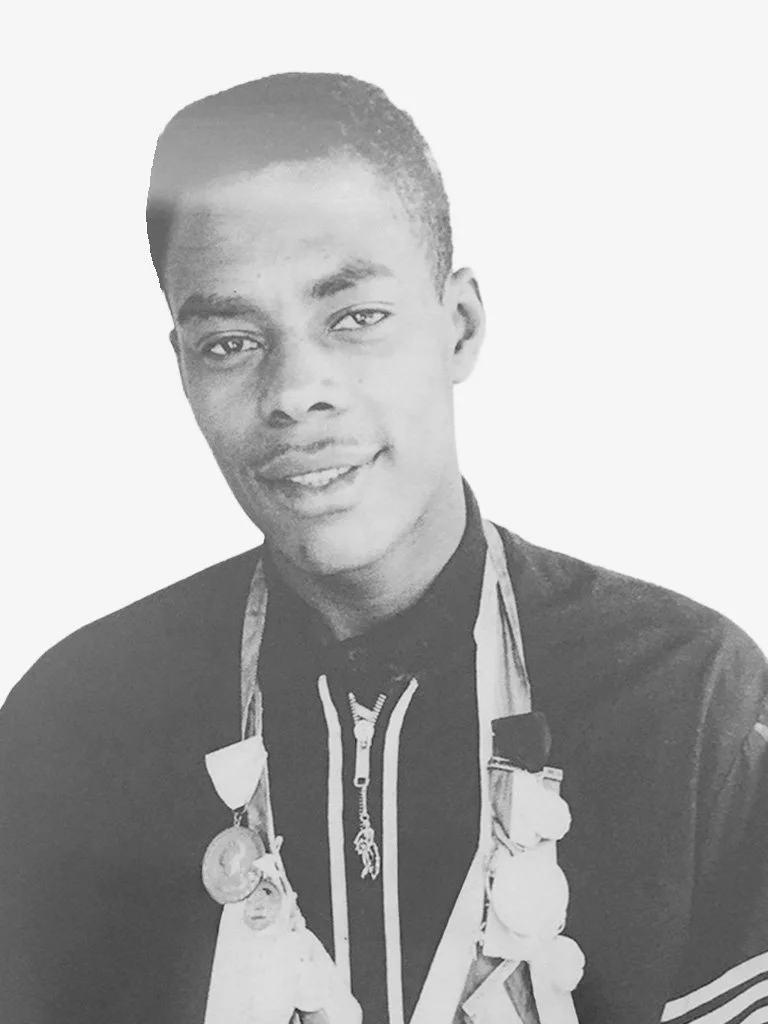
Teodoro Palacios Flores
Teodoro Palacios Flores was a pioneering Afro-Guatemalan high jumper who represented Guatemala in four Olympic Games between 1960 and 1972. He is widely regarded as one of Central America’s greatest track and field athletes, breaking racial and geographic barriers while placing Afro-Guatemalan excellence on the global sports stage.
-
![Manny Mota]()
Manny Mota
Dominican former professional baseball player and coach, Manny Mota was best known as a pinch-hitting specialist for the Los Angeles Dodgers. Over 20 MLB seasons from 1962 to 1982 with the Giants, Pirates, and Dodgers, he set the record for career pinch hits (150). Mota’s consistency and skill left a lasting legacy in Major League Baseball.
-
![Ana Fidelia Quirot]()
Ana Fidelia Quirot
Afro-Cuban middle-distance runner Ana Fidelia Quirot dominated the 800 meters in the 1990s, winning World Championships in 1995 and 1997. She earned multiple international medals, including Olympic bronze in 1992 and silver in 1996, and became a source of inspiration for future Cuban athletes through her remarkable speed, endurance, and competitive spirit.
-
![Kid Chocolate]()
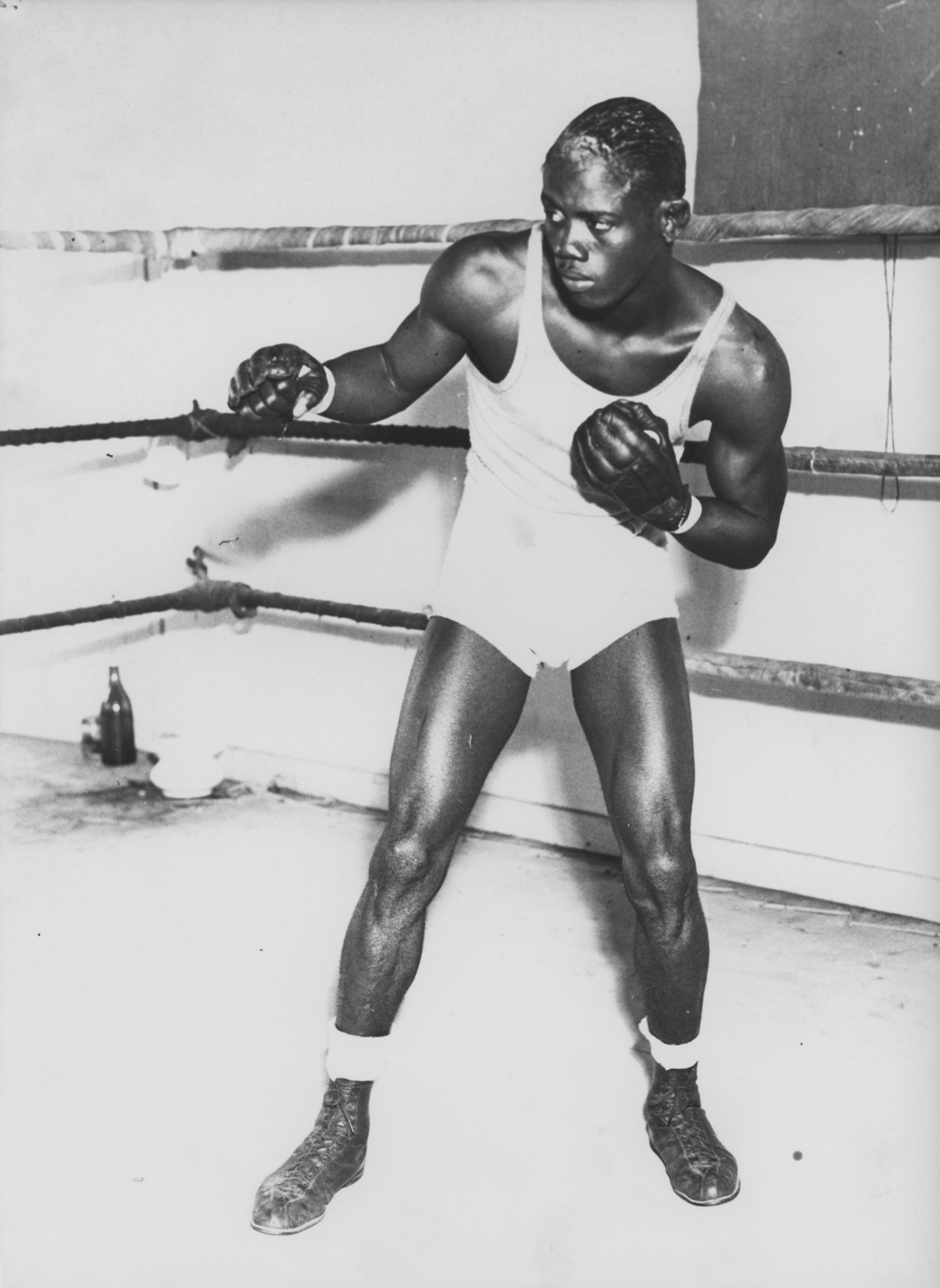
Kid Chocolate
Born Eligio Sardiñas Montalvo, Kid Chocolate became Cuba’s first world boxing champion and dominated the featherweight and junior lightweight divisions in the 1920s and 1930s. Known for his speed and skill, he won multiple world titles, paving the way for future Afro-Cuban boxers. His success cemented him as a legendary figure in Cuban sports history.
-
![Pelé]()
Pelé
Born Edson Arantes do Nascimento, Pelé is widely regarded as one of the greatest footballers of all time. An Afro-Brazilian, he won three FIFA World Cups (1958, 1962, 1970), a feat unmatched in history. Known for his incredible skill, vision, and goal-scoring ability, Pelé became a global icon who inspired millions of fans and athletes across generations.




Science & Medicine
Afro-Latinos have made groundbreaking contributions to science, medicine, and public health across the Americas. From pioneering doctors and biomedical researchers to environmental scientists and public health leaders, these individuals have advanced knowledge while challenging racial and social barriers. Figures such as Eugenio María de Hostos in education and scientific thought, and Patricia Bath in medical innovation, highlight the impact of Afro-Latinx expertise.
-
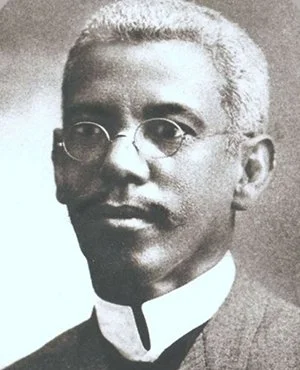
![Dr. José Celso Barbosa]()
Dr. José Celso Barbosa:
First Puerto Rican, Afro-Latino To Earn Medical Degree In U.S. Barbosa was not only the first Puerto Rican and one of the first people of African descent to earn a medical degree in the U.S., he was valedictorian of his class, served on PR's first Senate, and founded it's first bilingual newspaper.
-
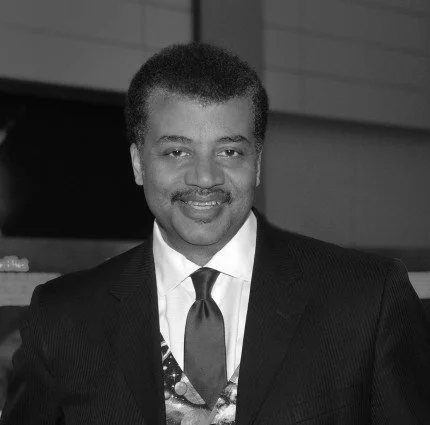
![Neil deGrasse Tyson]()
Neil deGrasse Tyson
American astrophysicist, author, and science communicator, widely recognized for bringing complex scientific ideas to global audiences. Born in New York City, he is African-American with Puerto Rican ancestry through his mother, connecting him to both African and Latino diasporas. Tyson has directed the Hayden Planetarium, hosted Cosmos: A Spacetime Odyssey, and written numerous books, using his platform to inspire curiosity, promote science education, and celebrate diversity in STEM.
Designing Afro-Latino Curriculum for Self-Determination
During the 2015 Afrolatino Festival of New York in a panel discussion on the contextualization of blackness, William Garcia briefly mentioned working to implement Afro-Latino curriculum in schools, which greatly intrigued us. Thus, we reached out to him to learn more.
The Voice of Passion and Bolero
Born into a humble Afro-Mexican family in the port city of Veracruz, Toña la Negra grew up surrounded by the rich musical traditions of her hometown. Veracruz, with its strong Afro-Caribbean influences, was a melting pot of rhythms and sounds, shaping her early exposure to music. As a young girl, she displayed a natural talent for singing, often performing at local events and family gatherings.